Web3: The Internet's Wild West Frontier!
Saddle Up for a Ride Through the Decentralized Web
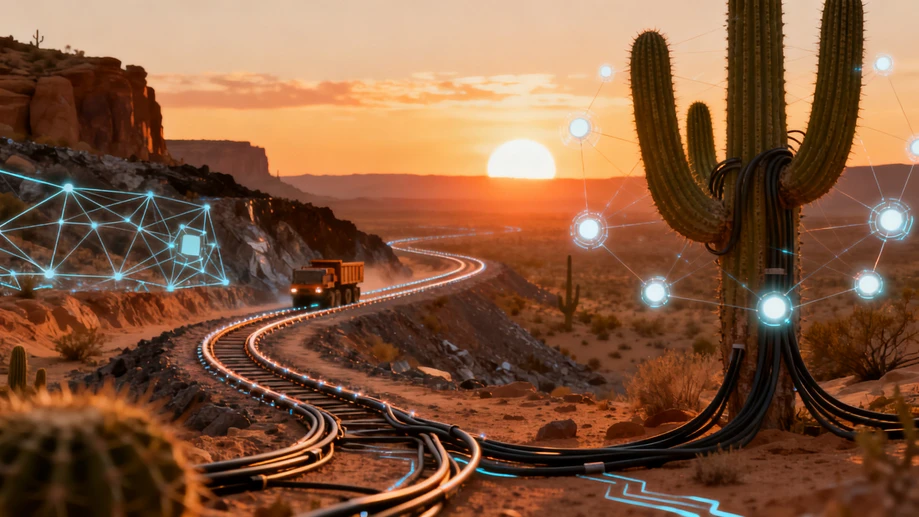
Picture the internet's evolution like settling a new continent: first came the dusty trails of Web1 (read-only pages), then the booming towns of Web2 (social media giants). Now pioneers are staking claims in Web3 – a decentralized territory where users own digital assets and communities govern themselves. This isn't science fiction; it’s happening right now through blockchain networks humming with cryptographic transactions. Imagine a digital gold rush where value flows peer-to-peer without corporate tollbooths, and your avatar carries verifiable treasures in its virtual saddlebags.
At its core, Web3 replaces middlemen with mathematics. Blockchain acts as the ultimate ledger – a public spreadsheet duplicated across thousands of computers worldwide. When you buy a digital artwork as an NFT, that transaction gets etched into this unchangeable record. Cryptocurrencies like Ethereum fuel the ecosystem, paying for "gas fees" to execute smart contracts. These self-operating agreements automate everything from royalty payments to artists to splitting restaurant bills among friends, executing terms when conditions are met without lawyers or banks.
Your smartphone becomes a frontier outpost. Decentralized apps (dApps) let you lend digital assets directly to others, earning interest through algorithmic protocols instead of banks. Picture voting on community proposals via token-based governance while sipping morning coffee – a far cry from shouting into social media voids. Even gaming worlds transform; play-to-earn models let gamers monetize virtual real estate or rare sword skins as tradeable assets. These aren't fantasies but functioning ecosystems like Decentraland's virtual land parcels trading for tangible dollars.
Security in Web3 means controlling your own fortress. Private keys – cryptographic passwords stored in digital wallets – replace corporate logins. Lose this key? Your digital castle stays locked forever. Adversaries like hackers face decentralized defenses: attacking one node in the network leaves thousands unscathed. Yet outlaws exist; wallet-draining scams lurk behind fake NFT giveaways. Vigilance is essential, like checking your horse's reins before a canyon crossing. Auditing smart contracts becomes as routine as checking expiration dates at the grocery store.
This frontier isn't without dust storms. Scalability issues cause transaction bottlenecks, while environmental concerns linger about energy-intensive networks like Bitcoin. Governments scramble to regulate this fast-moving territory, creating legal gray zones. Still, builders keep innovating: layer-2 solutions speed up Ethereum transactions, and proof-of-stake slashes energy use by 99%. The compass points towards integration – soon you'll tip creators directly through Web3 social media or verify concert tickets as unforgeable NFTs. The decentralized web won't vaporize centralized giants but instead creates parallel economies where digital sovereignty truly belongs to the settlers.