Is Your Digital Wallet Ready for the Web3 Revolution?
Why the Next Internet Era Will Change How You Own Everything Online
Imagine buying a rare concert poster online, only to have the website vanish tomorrow, taking your purchase into the digital void. Or spending hours creating viral content on a social platform, watching it generate massive value, but seeing none of that reward flow back to you. This frustration with today's internet – where platforms act as gatekeepers and landlords of our digital lives – is exactly what Web3 seeks to dismantle. Forget the tech jargon for a moment; this is about reclaiming ownership. Web3 isn't a distant sci-fi fantasy; it's the quiet rumbling beneath our current online experiences, promising a future where you truly hold the keys to your digital kingdom, from virtual collectibles to your own creative output.
The core shift is a move from centralized control to decentralized networks. Think about it: When you post on current social media, your data lives on a company's server – they control it, monetize it, and can change the rules. Web3 flips this script using blockchain technology. Picture a vast, public, tamper-proof digital ledger maintained not by one corporation, but by thousands of computers worldwide. Transactions and ownership records are verified by this network, making them transparent and incredibly difficult to alter or erase. This is the foundation enabling true digital ownership. Your assets aren't entries in a company database; they're cryptographically secured tokens on a shared, resilient infrastructure.
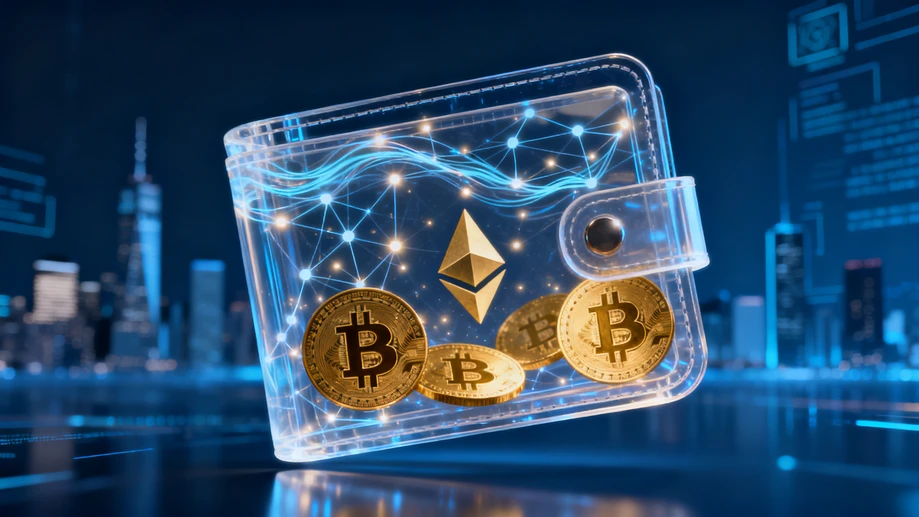
So, what tangible things does this affect? Enter cryptocurrencies like Bitcoin and Ethereum – the native currencies of these new networks, facilitating transactions. Then there are NFTs (Non-Fungible Tokens). Far more than just expensive digital art links, NFTs are unique digital certificates of authenticity and ownership stored on the blockchain. They can represent anything scarce in the digital realm: concert tickets that can't be faked, exclusive in-game items you can actually resell, digital fashion for your avatar, or even proof of ownership for physical goods. Suddenly, digital scarcity and verifiable ownership become possible. DAOs (Decentralized Autonomous Organizations) are another fascinating piece – imagine online communities collectively governing shared resources or projects through transparent, blockchain-based voting systems, reducing reliance on traditional corporate structures.
The potential extends into finance with DeFi (Decentralized Finance). Imagine lending, borrowing, or earning interest on savings without needing a traditional bank – instead, using automated, transparent protocols running on blockchain. While undeniably volatile and requiring caution, DeFi showcases how Web3 can create alternative financial systems accessible globally. The implications ripple further: creators receiving royalties directly every time their digital art is resold via smart contracts (self-executing code on the blockchain), musicians owning their distribution rights transparently, or gamers genuinely owning the rare sword they won in an online battle, potentially selling it across different games. Ownership is moving from abstract permission granted by platforms to concrete, provable possession secured by cryptography.
Embracing Web3 requires awareness. The technology is young, interfaces can be clunky, and navigating crypto wallets and private keys demands a new level of personal responsibility. Energy consumption, particularly with older blockchain models, and market volatility are significant challenges needing solutions. Regulatory landscapes are also evolving. It's not a flawless utopia. However, dismissing it as hype ignores the profound shift in digital ownership it represents. Businesses are exploring NFT loyalty programs, artists are building direct relationships with fans, and new models of community governance are emerging. The genie of true digital ownership is out of the bottle, and it's fundamentally changing how we interact with value online. The revolution might feel gradual, but it's rewriting the rules of the digital world.