Is Your Digital Wallet Truly Yours in Web3?
Unlocking the Secrets of Ownership in the Decentralized Internet
Imagine buying concert tickets online, only to discover the platform can revoke them anytime. Or pouring hours into a game character that vanishes when the company shuts down servers. Traditional digital ownership is often an illusion – you're usually renting permissions from corporations. This is where Web3 flips the script. Built on blockchain technology, Web3 introduces verifiable digital ownership through tokens. When you "own" a digital artwork, song file, or virtual land parcel in Web3, cryptographic proof lives on a public ledger, not a corporate database. It's like having a deed rather than a library card – your control persists regardless of what happens to any single company.
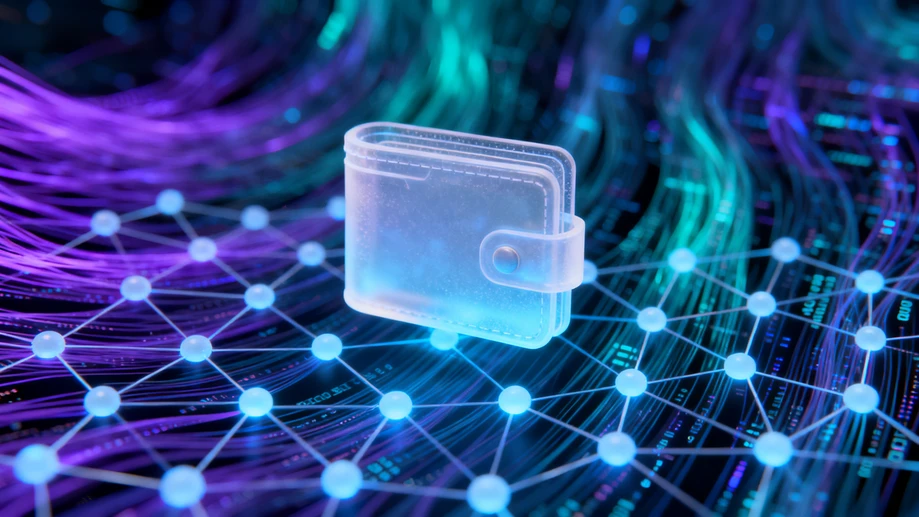
The magic happens through distributed networks eliminating middlemen. Picture thousands of computers worldwide simultaneously maintaining identical copies of transaction records. This transparency makes manipulation nearly impossible. When you send cryptocurrency or transfer a digital collectible, every participant verifies it. Unlike banks or social media giants controlling your data, Web3 hands you the keys. Your digital wallet isn't just an account; it's a personal vault secured by unique cryptographic keys only you possess. Lose the keys? You're locked out permanently. Share them? Anyone can drain your assets. This radical self-custody model makes Web3 feel like upgrading from a rented apartment to owning land with unbreakable property rights.
Critics ask: Why fuss over digital deeds? Consider artists finally receiving automatic royalties via smart contracts with every resale. Or gamers selling hard-earned virtual items across marketplaces without platform fees eating profits. Even your social media posts could become transferable assets. DAOs (Decentralized Autonomous Organizations) demonstrate collective ownership too. Imagine a neighborhood park funded and governed by token-holding residents through transparent voting – no city bureaucracy required. These aren't sci-fi concepts. Projects like Uniswap and Decentraland already enable user-owned trading platforms and virtual real estate economies.
Adoption hurdles remain hefty. Wallet interfaces baffle newcomers – seed phrases feel like fragile magic spells. Gas fees (transaction costs) fluctuate wildly, making coffee purchases impractical. And decentralized systems inherit human flaws; scams proliferate where authorities can't intervene. Yet solutions emerge daily. Simplified wallet designs now mimic familiar banking apps. Layer-2 networks like Polygon slash fees to pennies. Community moderation tools evolve to combat fraud without central overlords. Regulation is shifting too, with governments creating frameworks recognizing digital property rights.
Web3's core promise – true digital ownership – changes our relationship with online value. As tools mature and bridges between traditional and decentralized systems strengthen, we're moving toward an internet where users hold the reins. The next decade won't just be about faster streaming; it'll redefine who owns the digital spaces we inhabit daily.