Is Your Digital Life Truly Yours in the Web2 World?
Unlocking Ownership in the Internet Age with Web3
Imagine buying rare digital art only to discover the platform can freeze your account tomorrow. That's the reality of Web2, where tech giants act as gatekeepers of your online possessions. Every photo uploaded to social media, every in-game item purchased, and every digital collectible acquired exists at the mercy of centralized corporations. They control the servers, set the rules, and can revoke access without warning. This fundamental lack of true digital ownership creates a fragile ecosystem where users rent rather than own their digital lives. The shift to Web3 aims to shatter this model by returning control to individuals through revolutionary technology.
At its core, Web3 leverages blockchain to create a decentralized internet. Unlike traditional systems where data lives on company servers, blockchain distributes information across thousands of computers globally. This network verifies transactions through consensus mechanisms like proof-of-work or proof-of-stake, making tampering virtually impossible. Smart contracts – self-executing code stored on blockchain – automate agreements without intermediaries. Imagine selling digital artwork directly to a collector worldwide, with automatic payment release and ownership transfer, all without platforms taking 30% commissions or imposing arbitrary restrictions. This architecture forms the backbone of digital sovereignty.
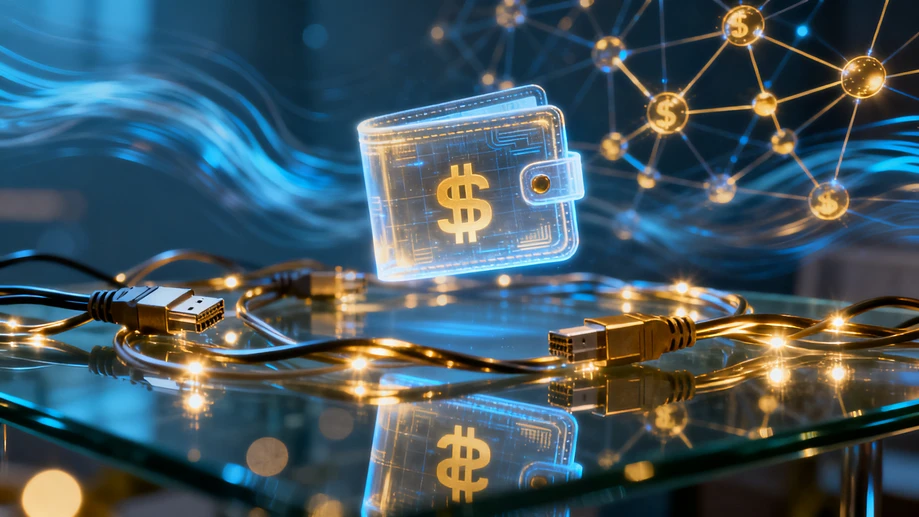
Digital wallets serve as your passport in this new landscape. More than just cryptocurrency holders, these non-custodial wallets like MetaMask function as personal data vaults and identity managers. Your private keys – cryptographic passwords – grant exclusive control over assets stored on blockchain. When you purchase a NFT concert ticket, it lives in your wallet, not the ticketing company's database. Lose your phone? Your seed phrase can restore everything. This contrasts sharply with Web2's password-recovery nightmares. The wallet becomes a universal key for accessing decentralized applications (dApps), from social media platforms where you own your content to play-to-earn games where virtual items hold real-world value.
The implications ripple across everyday activities. Consider music streaming: Web3 platforms allow artists to release token-gated albums directly to fans, with automatic royalty distributions coded into smart contracts. In gaming, true asset ownership means rare swords acquired in one virtual world can be sold or used in compatible games. Even social interactions transform – imagine earning tokens for valuable forum contributions that appreciate as the community grows. Real estate deeds, academic credentials, and medical records could soon exist as tamper-proof digital assets. This isn't science fiction; live projects like decentralized cloud storage already challenge Google Drive by paying users for sharing unused hard drive space.
Despite its promise, Web3 faces significant hurdles. Blockchain transactions currently consume substantial energy, though innovations like Ethereum's merge to proof-of-stake drastically reduce this footprint. User experience remains clunky for non-technical people – seed phrases feel archaic compared to fingerprint login. Regulatory uncertainty also looms as governments grapple with decentralized systems. Yet solutions emerge daily: layer-2 networks speed up transactions, intuitive wallet designs enter the market, and clearer frameworks develop. The technology's trajectory mirrors early internet growing pains, suggesting these are solvable challenges rather than dead ends.
We stand at the internet's next evolutionary stage. Web3 isn't about replacing every website with blockchain but creating alternatives where ownership matters. As this infrastructure matures, expect hybrid models where traditional and decentralized systems coexist. Your future digital self might use Web2 for casual browsing while storing valuable assets on Web3 protocols. The revolution lies in choice: finally deciding who truly controls your digital existence. This shift empowers individuals beyond financial gains – it's about fundamentally rebalancing power in the digital age. The question isn't whether Web3 will reshape our online lives, but how soon you'll claim your piece of the decentralized future.