5 Mind-Blowing Ways Web3 Is Rewiring Your Daily Life Already
From Coffee Loyalty Points to Concert Tickets, Why You're Already Living in the Future Without Realizing It
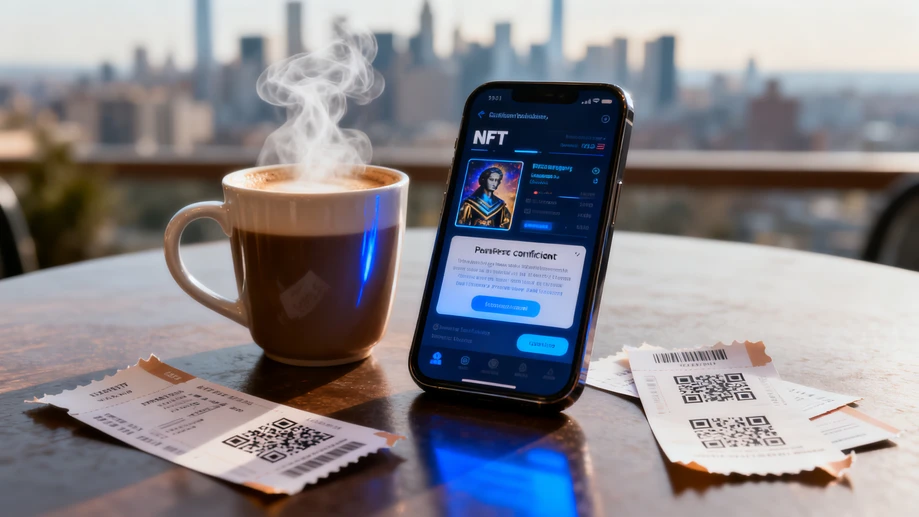
Picture this: you grab your morning coffee, scan a QR code on the cup, and instantly collect unique digital stamps that unlock discounts or even exclusive merchandise. This isn't sci-fi; it's Starbucks Odyssey, a real-world Web3 loyalty program running right now. Web3, the next evolution of the internet built on concepts like blockchain, decentralization, and digital ownership, isn't some distant, abstract concept reserved for tech gurus. Its tendrils are already weaving into the fabric of your everyday experiences, often without you even noticing. It’s less about complex jargon and more about practical shifts in how we interact, own, and transact online and off. Forget the metaverse hype for a second; the real revolution is happening subtly in your wallet, your entertainment, and your community connections.
Remember the frustration of losing concert tickets or dealing with scalpers? Web3 offers a surprisingly elegant solution through NFTs (Non-Fungible Tokens). Think of them less as expensive digital art and more as unforgeable digital keys. Artists like Kings of Leon and Grimes have issued tickets as NFTs, ensuring authenticity and granting holders special perks like exclusive content or merchandise. Your favorite band's next tour might see your ticket securely stored in your digital wallet, impossible to duplicate or steal. Even local events are experimenting; imagine a community fair where your NFT ticket also acts as a voting token for next year's attractions. This digital ownership extends beyond tickets. Platforms like Reddit have successfully integrated blockchain-based "Collectible Avatars," allowing millions of users to truly own unique digital items tied to their profiles, creating vibrant secondary markets and a new layer of community expression.
Your digital wallet is becoming more than just a place for cryptocurrency; it's evolving into your universal digital backpack. Services like Ethereum Name Service (ENS) let you replace cumbersome wallet addresses (like 0x4cbe58c50480...) with a simple, memorable name (like yourname.eth). This isn't just convenient for crypto; imagine seamlessly logging into websites, verifying your identity for online services, or even receiving digital event tickets directly to yourname.eth, all without relying on traditional usernames and passwords. This shift towards user-controlled digital identity empowers you to manage your online presence and assets more securely and portably than ever before. It puts you, not a big tech company, in control of your digital footprint and how you interact with online services.
Peer-to-peer transactions are getting a major upgrade. Sending money internationally often involves hefty fees and days of waiting. Web3 protocols enable near-instant, low-cost cross-border payments using stablecoins (cryptocurrencies pegged to stable assets like the US dollar). Platforms are emerging that allow you to pay friends back for dinner or split rent directly using your digital wallet, bypassing traditional banking delays. Furthermore, Decentralized Finance (DeFi) applications, while requiring careful navigation, offer alternatives for earning interest on savings or accessing loans without intermediaries, though significant due diligence is crucial. The core idea is financial interactions becoming faster, cheaper, and potentially more accessible, directly between individuals.
Perhaps the most profound shift is in community governance. Decentralized Autonomous Organizations (DAOs) are internet-native communities governed collectively by their members using tokens, often based on blockchain voting. While complex DAOs manage large treasuries, simpler versions are popping up everywhere. Imagine a local co-op grocery store where members vote on new products or suppliers using tokens representing their stake. Or a global fan club for an artist collectively deciding how to spend a community fund for projects. Platforms like Snapshot make this voting process accessible. This isn't just about big crypto projects; it's a new model for collective decision-making and resource allocation, giving members a real, verifiable say in the communities they care about. The technology enables trust and coordination at a scale previously difficult to achieve without centralized control.
So, the next time you collect a digital stamp on your coffee app, receive a unique digital collectible, or participate in an online community vote, take a moment to recognize the subtle hum of Web3 beneath the surface. It’s not about replacing everything overnight but incrementally offering new models for ownership, interaction, and trust. Challenges around user experience, security, regulation, and environmental impact remain significant hurdles that need addressing. However, the core principles of user ownership, decentralized control, and verifiable digital scarcity are demonstrably moving from whitepapers into your pocket and your daily routines. The future of the internet isn't just arriving; it's already brewing in your cup, playing in your earbuds, connecting you to your communities, and quietly reshaping how you own and interact with the digital world. The revolution might be decentralized, but its impact is becoming deeply personal.