Web3 Is Rewriting the Rules of the Internet!
Discover how blockchain, decentralization, and digital ownership are transforming our online world
Imagine an internet where your photos, posts, and digital creations truly belong to you—not to tech giants selling your data. That's the promise of Web3, the next evolution of the online experience. Unlike today's centralized platforms where companies control user information, Web3 hands power back to individuals through blockchain technology. Picture your favorite social media app, but instead of trusting a corporation with your vacation pictures, they live securely on a decentralized network where only you hold the keys. This isn't science fiction; it's already happening through crypto wallets and dApps (decentralized applications) used by millions globally. The shift feels like moving from renting an apartment to owning property in the digital universe.
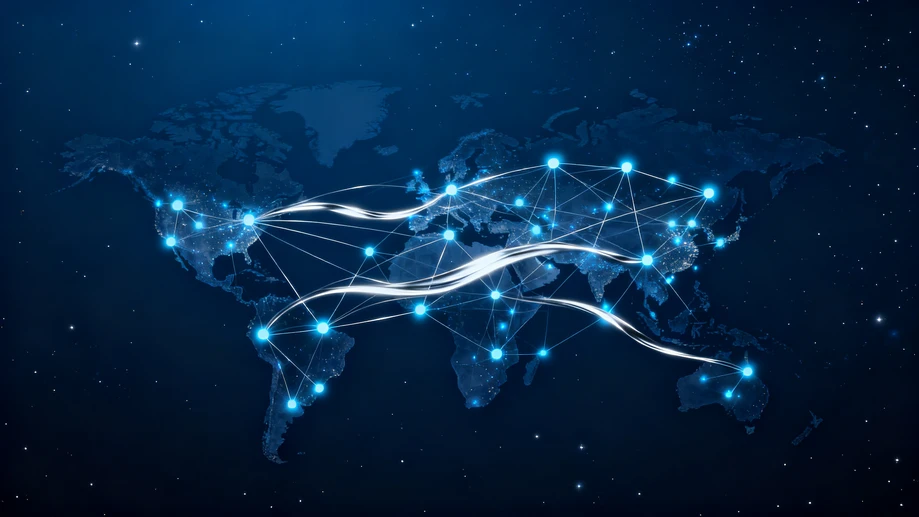
At the heart of Web3 lies blockchain, a digital ledger that records transactions across thousands of computers. Think of it as a public notebook that everyone can see but no single person can alter. When you buy a digital artwork as an NFT (Non-Fungible Token), blockchain verifies your unique ownership—like a tamper-proof certificate. Smart contracts automate agreements without middlemen; for example, musicians earn royalties instantly when their songs stream via Web3 platforms. Decentralized storage systems like IPFS ensure files aren't controlled by any one company, making data breaches far harder. These technologies work together like gears in a clock, creating an internet that's transparent, secure, and user-owned.
Web3 isn't just about cryptocurrencies—it's reshaping everyday activities. Consider DeFi (Decentralized Finance), which lets people lend, borrow, or earn interest peer-to-peer without banks. Imagine growing your savings in a digital wallet as easily as ordering groceries online. DAOs (Decentralized Autonomous Organizations) enable communities to pool funds and vote on projects, from funding indie films to supporting environmental causes. Even gaming transforms: players truly own in-game assets as NFTs, trading virtual swords or skins across different worlds. These innovations turn passive internet users into active participants in a new digital economy where value flows directly between creators and consumers.
Ownership revolutionizes how we interact online. Today, quitting a social media platform means abandoning years of content. In Web3, your digital identity and assets move with you via crypto wallets—like carrying a passport across borders. Artists finally monetize their work without galleries taking huge cuts; a single NFT sale can fund a year's rent. Gamers profit from rare items they discover, while writers publish directly to readers via decentralized platforms. This ownership extends beyond assets: users govern platforms through token-based voting, deciding on feature updates or fund allocations. It's economic democracy in action, turning users from products into stakeholders.
Challenges remain, of course. Web3 currently faces hurdles like complex user interfaces and energy concerns around early blockchain systems. Yet solutions are emerging rapidly: Ethereum's recent upgrade slashed energy use by 99%, and intuitive apps now hide technical complexities behind simple designs. Regulatory frameworks are evolving to protect users while fostering innovation. As broadband expands and digital literacy grows, Web3's accessibility will skyrocket. We're witnessing the early days of an internet renaissance—one where control shifts from boardrooms to billions of screens worldwide. The question isn't if Web3 will reshape our digital lives, but how soon you'll join the revolution brewing in your browser.