Web3 Is Here – And Your Digital Life Will Never Be the Same!
Unlock the secrets of a decentralized internet where you control your data, money, and identity like never before.
Imagine a world where you don't need to trust big tech giants with your personal information. That's the promise of Web3, the next evolution of the internet built on blockchain technology. Unlike Web2, where companies like Facebook and Google hold the reins, Web3 puts power back in your hands through decentralization. It's not just a buzzword; it's a real shift happening right now, with everyday people using it to buy digital art, earn crypto rewards, or even vote in community decisions. Think about how often you share your data online—Web3 could make that safer and fairer, turning the internet into a user-owned playground. This revolution is already changing how we interact, shop, and socialize, making it feel less like science fiction and more like the natural next step in our digital journey.
At the heart of Web3 lies blockchain, a digital ledger that records transactions across a network of computers, making it nearly impossible to alter or hack. Picture it as a shared notebook where everyone has a copy, and any new entry must be verified by the majority—no single entity controls it. This technology powers cryptocurrencies like Bitcoin and Ethereum, but it's not just for money; it enables smart contracts, self-executing agreements that automate tasks without intermediaries. For instance, when you buy a concert ticket as an NFT (non-fungible token), the smart contract ensures you get exclusive access instantly. In daily life, this means faster, cheaper transactions—like sending money abroad without bank fees—or verifying the authenticity of products. It's all about transparency and trust, turning complex tech into something as routine as using a smartphone app.
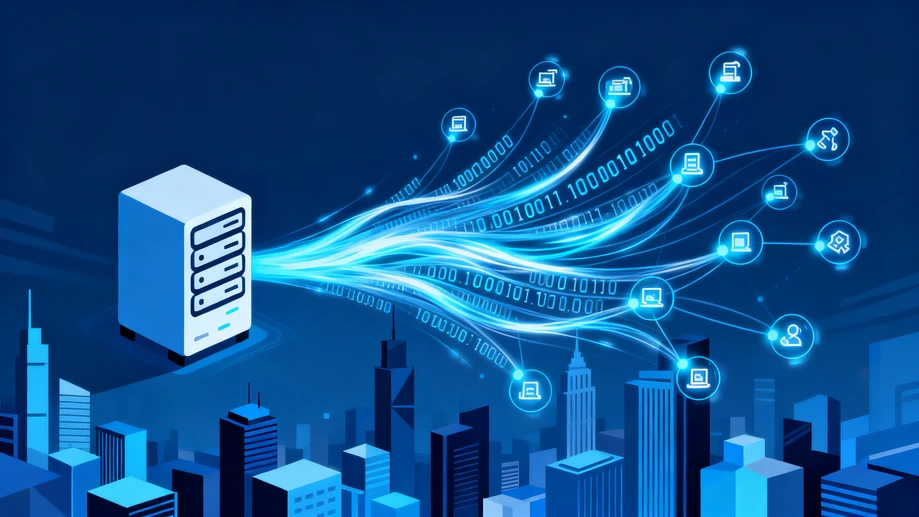
Decentralized applications, or dApps, are the building blocks of this new web, running on peer-to-peer networks instead of central servers. Take DeFi (decentralized finance) platforms, which let you lend, borrow, or earn interest on crypto without a bank. Apps like Uniswap allow you to trade tokens directly with others, cutting out middlemen and reducing costs. Or consider social media dApps where you own your content and earn tokens for engagement—imagine posting a photo and getting paid in crypto if it goes viral. These aren't futuristic dreams; millions use them daily for real gains, like farmers in developing countries accessing loans through DeFi. The beauty is in the simplicity: you interact through familiar interfaces, but behind the scenes, it's a community-driven system where your actions contribute to a fairer economy.
NFTs have exploded in popularity, turning digital items into verifiable assets you truly own. Unlike a regular JPEG, an NFT is unique and stored on the blockchain, proving it's yours. Artists sell their work directly to fans, bypassing galleries, while gamers trade in-game items for real value. For example, buying a digital collectible of a sports moment gives you bragging rights and potential resale profits. But it's not just art; NFTs can represent real-world assets like concert tickets or property deeds, making transfers seamless. In everyday terms, this means your digital purchases have lasting value—no more losing access if a platform shuts down. Critics call it a fad, but the surge in creators and users shows it's here to stay, democratizing ownership in a world where digital goods are as valuable as physical ones.
Despite the excitement, Web3 faces real-world challenges like energy consumption and security risks. Blockchain networks can use significant electricity, though innovations like proof-of-stake are reducing this footprint. Security-wise, while the tech is robust, human errors—like losing private keys—can lead to losses, so education is key. On the flip side, benefits abound: in supply chains, blockchain tracks products from farm to table, ensuring authenticity and reducing fraud. Or in voting systems, it could prevent tampering, making elections more transparent. For you, this translates to more control over your identity—say, logging into sites without passwords, using crypto wallets instead. It's not perfect, but as adoption grows, solutions emerge, making Web3 a practical upgrade for a safer, more efficient online experience.
So, what's next for Web3? It's evolving rapidly, with trends like the metaverse blending virtual and physical worlds, where you might attend a concert in VR using crypto tickets. To join in, start small: set up a crypto wallet, explore dApps, or buy an affordable NFT. The future isn't distant; it's unfolding now, empowering you to shape the internet. Embrace this change—it could redefine freedom in our digital age.