Is Your Digital Wallet Ready for the Web3 Revolution?
Unlocking the secrets of blockchain's next evolution in everyday life
Imagine an internet where you truly own your data – where photos, messages, and digital creations aren't stored on corporate servers but in your personal control. This is the promise of Web3, the decentralized web movement reshaping our online existence. Unlike Web1's static pages or Web2's social media monopolies, Web3 hands power back to users through blockchain technology. Picture logging into apps without passwords, voting on platform changes, or getting paid directly for your content contributions. The revolution isn't coming; it's already unfolding in crypto wallets and decentralized apps used by millions worldwide.
At Web3's core lies blockchain, a digital ledger maintained across thousands of computers instead of one company's data center. When you buy a concert ticket as an NFT, that transaction gets recorded across this global network, creating permanent proof of ownership. Decentralization means no single entity can freeze your account or alter records. Financial services demonstrate this power vividly: decentralized exchanges allow peer-to-peer crypto trading without banks, while smart contracts automatically execute agreements when conditions are met – like releasing rental deposits when tenants return keys. This technology now handles over $100 billion in transactions monthly.
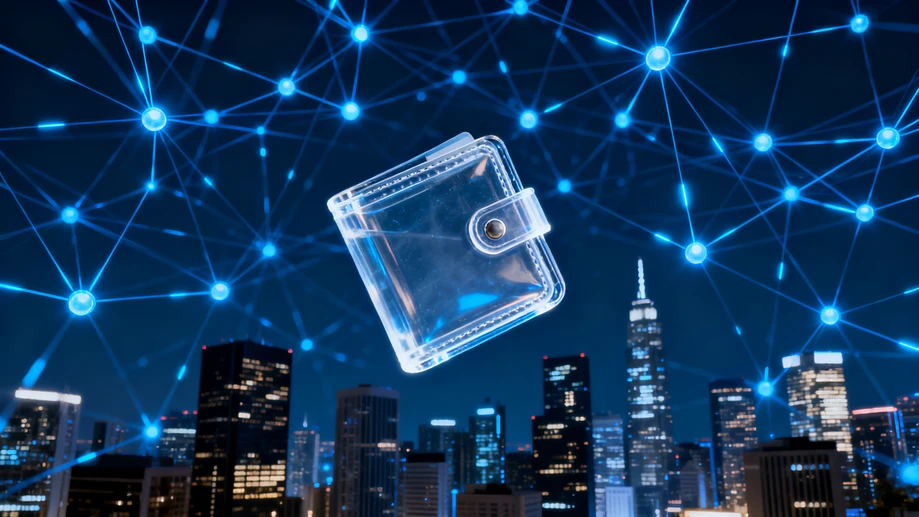
Your digital wallet becomes your passport in this new ecosystem. These aren't just cryptocurrency storage; they're identity managers that let you interact with decentralized applications (dApps). Consider gaming: players earn real-value tokens by winning battles in blockchain games, then spend them on virtual land or character upgrades. Artists use platforms like OpenSea to sell digital art directly to collectors, bypassing galleries and keeping 90% of profits. Even social media is evolving – Web3 alternatives reward users with tokens for creating viral content instead of selling their data to advertisers.
Non-fungible tokens (NFTs) showcase Web3's tangible impact beyond speculation. That concert ticket NFT? It might unlock backstage videos or exclusive merchandise long after the event. Real estate deeds recorded on blockchain reduce paperwork fraud, while musicians release NFT albums with built-in royalty agreements. Most practically, decentralized storage services like Filecoin or Arweave let users rent out spare hard drive space, creating a user-owned alternative to cloud giants. These aren't sci-fi concepts; they're live services changing how we handle digital assets daily.
Challenges remain as Web3 matures. Energy-efficient blockchains are replacing early power-hungry networks, while regulators grapple with consumer protections. Yet momentum grows: major brands from Nike to Disney now offer Web3 experiences, and decentralized wireless networks are emerging as community-owned alternatives to telecom providers. You needn't be a crypto expert to participate – simple browser extensions like MetaMask turn regular Chrome into a Web3 portal. As this technology integrates with augmented reality and AI, our physical and digital lives will blend in ways that make today's internet feel like dial-up. The question isn't whether Web3 will change your online experience, but how soon you'll join the shift.