Your Wallet Is Becoming Your Digital Passport to the Next Internet
Unlocking a world where you truly own your online identity, assets, and interactions
Imagine buying virtual concert tickets that can't be counterfeited, receiving royalties directly from fans for your digital artwork, or joining exclusive online communities where membership is truly scarce and valuable. This isn't science fiction – it's the reality unfolding with Web3 technology. While the term "Web3" might sound like jargon from a tech conference, its building blocks are already reshaping digital ownership and interactions in ways that touch everyday life. At its core, Web3 represents an internet shift where control moves away from big corporations and into the hands of users. Instead of relying on central authorities like banks or social media giants to manage accounts and verify transactions, Web3 leverages blockchain technology to create transparent, user-controlled systems. Your crypto wallet becomes more than just a place to hold currency; it transforms into your passport to this new digital frontier.
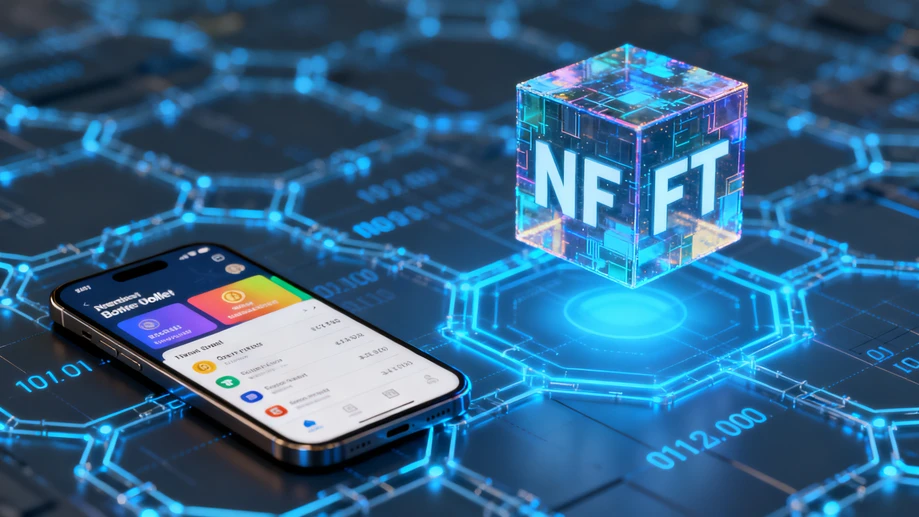
So how does this actually work in practice? Think of blockchains as public, unchangeable digital ledgers maintained by a distributed network of computers rather than a single company. When you purchase a unique digital artwork (an NFT), that transaction gets permanently recorded. No middleman can revoke your ownership or change the record. The same principle applies to decentralized apps (dApps) – imagine social platforms where you control your data or games where virtual items can be freely sold across marketplaces. Suddenly, your online creations and purchases have real, transferable value independent of any app store’s rules. This isn't just about digital collectibles; it’s about redefining property rights for the internet age.
One of Web3’s most tangible impacts is reshaping creator economies. Musicians now release token-gated albums to fans holding special NFTs, granting early access or exclusive content – a direct relationship unmediated by streaming platforms. Visual artists earn royalties automatically through smart contracts coded into their NFTs, receiving a percentage every time their work resells. Communities form around shared token ownership, like neighborhood groups voting on local improvements using governance tokens instead of city hall bureaucracy. Even loyalty programs are evolving, with coffee shops issuing tokens as redeemable points stored securely in customers' wallets, immune to corporate data breaches.
Critics rightly point out challenges: clunky interfaces, volatile crypto prices, and environmental concerns around early blockchain designs. Yet solutions are emerging rapidly. New blockchains like Solana or Polygon slash energy use by over 99% compared to early systems. User-friendly wallet designs now resemble familiar banking apps, abstracting away complex addresses. Regulations are evolving to protect consumers while preserving innovation. The key is recognizing that Web3 isn’t replacing today’s internet overnight but creating parallel opportunities – like a bustling new digital neighborhood growing beside the existing web.
The most exciting aspect? Web3 empowers experimentation with digital self-determination. It lets you prove aspects of your identity without revealing everything – like verifying your age for a service while keeping your birthdate private. It creates new economic models where participants own the platforms they use, sharing in their success. As this technology matures, your wallet won’t just hold money; it will safeguard your reputation, memberships, and creative output across the digital world. The revolution isn’t about overthrowing the old web but building a more user-owned layer on top of it – and it’s already unfolding in your pocket.