What If the Internet Was Truly Yours?
Unlocking the secrets of Web3 and how it could transform your everyday digital experiences.
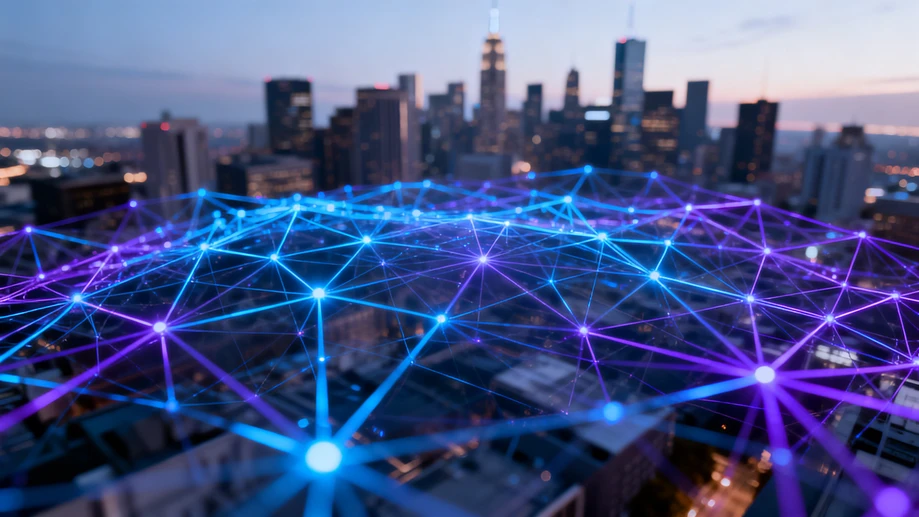
Imagine a world where your online data isn't locked away in corporate servers, but belongs to you—like a treasured book on your shelf. That's the promise of Web3, the next evolution of the internet built on decentralization. Unlike the familiar Web2, where giants like Google and Facebook control our information, Web3 uses blockchain technology to give users ownership and control. Think of it as a digital democracy: instead of trusting a middleman, you interact directly with others through peer-to-peer networks. This shift could revolutionize how we shop, socialize, and even vote, making the internet feel more personal and secure. For instance, when you post a photo online today, it's stored on a company's server; in Web3, it could be encrypted and stored across a global network, ensuring only you decide who sees it. The excitement lies in its potential to empower everyday people, turning the web from a walled garden into an open playground.
At the heart of Web3 is blockchain, a digital ledger that records transactions transparently and immutably. Picture it as a shared notebook where every entry is verified by multiple computers worldwide, making it nearly impossible to alter or hack. This technology powers cryptocurrencies like Bitcoin and Ethereum, which act as the fuel for decentralized applications (dApps). Smart contracts, self-executing agreements coded into the blockchain, automate processes without human intervention. For example, if you rent an apartment through a dApp, the contract could automatically release payment to the landlord once you move in, eliminating the need for banks or brokers. This isn't science fiction—it's already happening in real-world scenarios like peer-to-peer lending platforms, where users earn interest directly from others. By cutting out intermediaries, Web3 reduces costs and speeds up transactions, making financial services more accessible to everyone, from freelancers to small businesses.
Beyond finance, Web3 extends to digital ownership through non-fungible tokens (NFTs), which represent unique items like art, music, or even virtual real estate. Unlike traditional digital files that can be copied endlessly, NFTs use blockchain to certify authenticity and provenance. Imagine buying a digital painting as an NFT: it's yours alone, with a verifiable history stored on the blockchain, and you can resell it on open marketplaces without fees to galleries. This isn't just for collectors; it could transform everyday activities. For instance, musicians could sell concert tickets as NFTs, ensuring fans get exclusive access while artists earn royalties automatically. Similarly, in gaming, players truly own their in-game assets, like rare swords or skins, and can trade them across platforms. These innovations make the digital world feel tangible, bridging the gap between online and offline life by giving value to virtual creations.
However, Web3 isn't without challenges. Scalability issues can slow down transactions, and the energy consumption of some blockchains raises environmental concerns. Plus, the learning curve for new users can be steep—setting up a digital wallet or understanding private keys might feel daunting. But solutions are emerging, such as layer-2 protocols that speed up networks and eco-friendly consensus mechanisms like proof-of-stake. Real-world adoption is growing too, with companies integrating Web3 features into apps for secure voting or supply chain tracking. The key is to approach it with curiosity, not fear. By starting small, like exploring a dApp for decentralized social media, you can experience the benefits firsthand without diving deep into tech jargon.
In the end, Web3 represents a shift toward a more equitable internet, where users reclaim control from centralized entities. It's not about replacing the old web but enhancing it with tools for true digital sovereignty. As this technology matures, it could redefine daily interactions—making online spaces safer, fairer, and more rewarding. So, why not dip your toes in? The future of the internet might just be in your hands.