Is Your Digital Life Ready for Web3?
Unlocking the potential of a decentralized internet that puts you in control.
Imagine a world where you own your online data, not big tech companies. That's the promise of Web3, the next evolution of the internet. Unlike Web1, which was read-only with static pages, or Web2, dominated by social media giants harvesting your information, Web3 flips the script. It's built on decentralization, meaning no single entity controls the network. This shift isn't just tech jargon—it's reshaping how we interact daily. Think of it as moving from renting an apartment to owning your home; in Web3, you hold the keys to your digital identity. Already, millions are exploring this through cryptocurrencies and NFTs, making it feel like a revolution in our pockets. But is it all hype? Let's dive in and see why this might be the most exciting upgrade to the web since the smartphone.
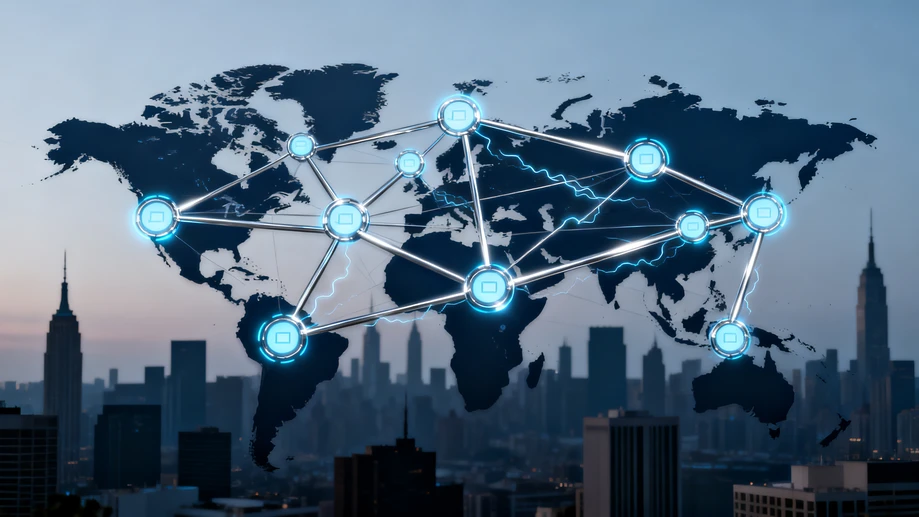
At the heart of Web3 lies blockchain technology, a digital ledger that records transactions across many computers. This ensures everything is transparent and tamper-proof. For instance, when you buy an NFT (non-fungible token) of digital art, the blockchain verifies your ownership without needing a middleman like eBay or Etsy. It's like having a public notary for every online deal. Decentralization extends to apps too, known as dApps (decentralized applications). These run on peer-to-peer networks, so if one server goes down, the app keeps humming. Picture a weather app that sources data from thousands of personal devices instead of a central agency—more reliable and less prone to outages. This tech isn't sci-fi; it's already powering real-world tools like MetaMask wallets for secure crypto transactions. By cutting out intermediaries, Web3 reduces fees and speeds up processes, making it feel as seamless as ordering coffee online.
Everyday life is brimming with Web3 applications that add fun and function. Take NFTs: they're not just for digital art; they can represent tickets to concerts or ownership of virtual real estate in games like Decentraland. Imagine buying a rare in-game item that you can resell freely, unlike traditional games where items are locked to one platform. DeFi (decentralized finance) is another game-changer, allowing you to lend, borrow, or earn interest on crypto without banks. Apps like Uniswap let you swap tokens instantly, like trading stocks but with lower barriers. Even social media is evolving; platforms like Mastodon offer ad-free experiences where users control their data. These innovations aren't distant dreams—they're accessible now through simple browser extensions. For example, using a dApp to crowdfund a local project with smart contracts that automatically release funds when goals are met. It turns complex finance into something as easy as group texting.
Web3 brings tangible benefits, primarily putting users in charge of privacy and security. In Web2, companies like Facebook profit from your data, often leading to breaches. Web3 shifts ownership to you through cryptographic keys; only you can access your info, reducing identity theft risks. Plus, it fosters innovation: developers can build on open-source protocols, creating interoperable tools. Think of it as Lego blocks—mix and match apps without compatibility headaches. However, challenges exist. Scalability is a hurdle; blockchain networks can slow down during peak times, like traffic jams on a digital highway. Energy consumption is another concern, with some networks using significant power, though newer solutions like proof-of-stake are cutting this down. And there's a learning curve; setting up a crypto wallet might feel daunting at first. But these are growing pains, not deal-breakers. As adoption spreads, expect smoother experiences, much like early internet dial-up evolving into high-speed broadband.
The future of Web3 looks bright, with trends pointing toward mass integration. Predictions suggest it could democratize the internet, giving everyone equal access. For instance, in developing regions, DeFi could provide banking services to the unbanked, using just a smartphone. Education is evolving too, with platforms offering verifiable digital diplomas on blockchain. Even voting systems might become more secure and transparent. This isn't about replacing the old web but enhancing it—like adding a turbocharger to a car. As more industries adopt Web3, from healthcare for patient records to supply chains for tracking goods, it will feel as natural as using apps today. The key is education; resources like online tutorials make it approachable. So, while challenges persist, the momentum is unstoppable. Embrace it, and you might find your digital life becoming richer and more secure.
In essence, Web3 is more than a buzzword—it's a user-centric revolution. By decentralizing control, it empowers individuals to reclaim their online presence. From everyday transactions to creative endeavors, the technology is here to stay, offering a fairer, more transparent internet. Sure, it has kinks to iron out, but so did the early days of email. As we stand at this crossroads, the question isn't if Web3 will transform our lives, but how soon. Dive in with curiosity; explore a dApp or buy an NFT. The journey is just beginning, and it promises to make the digital world feel truly yours.