Is Web3 Actually Making Your Digital World More Fun?
Unraveling the everyday magic of blockchain and decentralized apps in a way that feels like your favorite game.
Imagine scrolling through your social media feed, but instead of ads tracking your every move, you're earning real rewards for sharing cat memes—sounds like a dream, right? Welcome to Web3, the next evolution of the internet that's not just for tech geeks but for anyone with a smartphone. Unlike the old web (Web2), where giants like Facebook and Google hoard your data, Web3 flips the script by putting you in control. It's built on blockchain, a digital ledger that's transparent and unchangeable, kind of like a public diary everyone can see but no one can tamper with. This isn't sci-fi; it's happening now. For instance, when you buy a concert ticket online, Web3 ensures it's truly yours—no scalpers or fakes—because it's stored securely on a decentralized network. The best part? It's designed to be fun, turning mundane tasks into engaging adventures. So, if you've ever felt frustrated by data breaches or endless pop-ups, Web3 might just be the breath of fresh air you didn't know you needed.
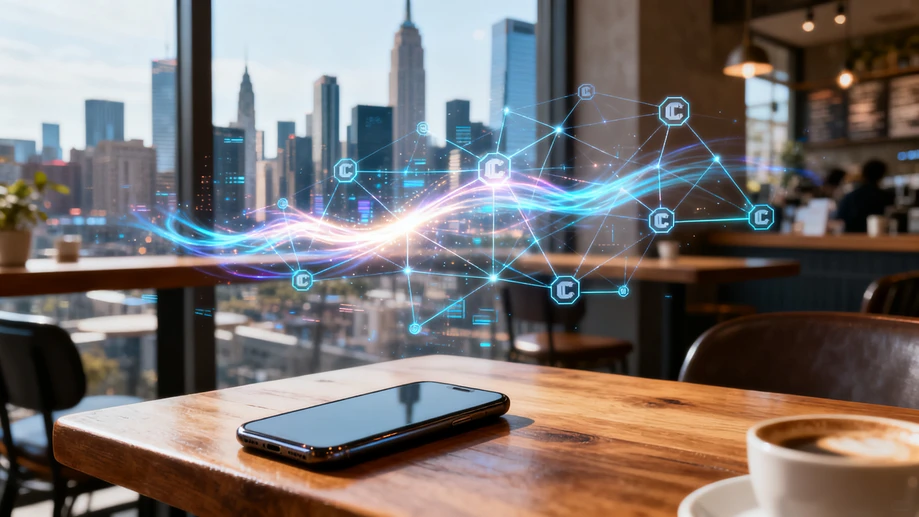
At its core, Web3 relies on blockchain technology, which is simpler than it sounds. Think of it as a digital chain of blocks, each holding information like transactions or contracts, linked together across thousands of computers worldwide. This setup means there's no single point of failure—if one computer goes down, the others keep things running smoothly. Take cryptocurrencies like Bitcoin or Ethereum: they're not just for investing; you can use them to pay for coffee or tip your favorite streamer, all without banks taking a cut. But Web3 goes beyond money. It powers decentralized apps, or dApps, which run on this network. For example, Uniswap lets you swap tokens peer-to-peer, like trading baseball cards with a friend, but digitally and instantly. It's all open-source, so anyone can peek under the hood, making it transparent and trustworthy. This isn't about replacing the old internet; it's about adding a layer of fairness, where your actions earn you tokens instead of enriching corporations.
Now, let's dive into the fun stuff: how Web3 is turning everyday digital interactions into playgrounds. NFTs, or non-fungible tokens, are a prime example. You might have heard of them in the context of digital art selling for millions, but they're not just for the elite. Imagine buying a unique virtual sneaker for your avatar in a game—it's yours forever, provable on the blockchain, and you can resell it if it becomes rare. This creates a new economy where creators, from musicians to artists, get paid directly without middlemen. Platforms like OpenSea make it easy to browse and collect NFTs, turning hobbies into potential income streams. Similarly, decentralized social media apps like Lens Protocol let you own your content and followers. Post a viral video? You could earn crypto rewards based on engagement, making scrolling feel like leveling up in a game. It's not about escaping reality; it's about enhancing it with real ownership and incentives that make the digital world more rewarding.
But how does this fit into your daily life? Surprisingly, it's already seeping in. Consider decentralized finance (DeFi) apps. Instead of visiting a bank, you can lend or borrow money through platforms like Aave, with interest rates set by the crowd. It's as simple as using an app on your phone, and it works globally, 24/7. Or take identity management: with Web3, you control your digital ID via tools like ENS (Ethereum Name Service), turning complex wallet addresses into easy names like "yourname.eth." This means logging into websites without passwords—just a quick scan, and you're in, securely. Even in gaming, titles like Axie Infinity allow players to earn crypto by battling creatures, blurring the line between play and profit. These aren't futuristic fantasies; they're real tools you can use today, making tasks like saving money or proving your identity feel effortless and empowering. The key is accessibility—no PhD required, just curiosity and a willingness to explore.
Of course, Web3 isn't perfect yet. Challenges like high energy consumption for some blockchains or the risk of scams can make headlines. But innovators are tackling these head-on with solutions like proof-of-stake systems, which cut energy use by over 99%, and better security protocols. The future looks bright: imagine a world where your online reputation travels with you, verified and secure, or where communities vote on app updates directly. It's not about overthrowing the old; it's about building a more inclusive, joyful internet. So, next time you're online, ask yourself: could Web3 make this more fun? The answer might just surprise you, one decentralized click at a time.