Is Your Digital Wallet Really Yours?
Unlocking the hidden truths of Web3 ownership and why it matters more than you think.
Imagine buying a rare collectible online, only to discover the platform can delete it anytime. That's the reality of Web2 – where your digital assets live on someone else's server. Now enter Web3, where blockchain technology flips the script. Picture a digital ledger duplicated across thousands of computers worldwide, recording every transaction transparently. This isn't science fiction; it's the foundation changing how we own everything from artwork to concert tickets. Your virtual possessions become as tangible as physical items in a vault, except the keys are cryptographic codes only you control.
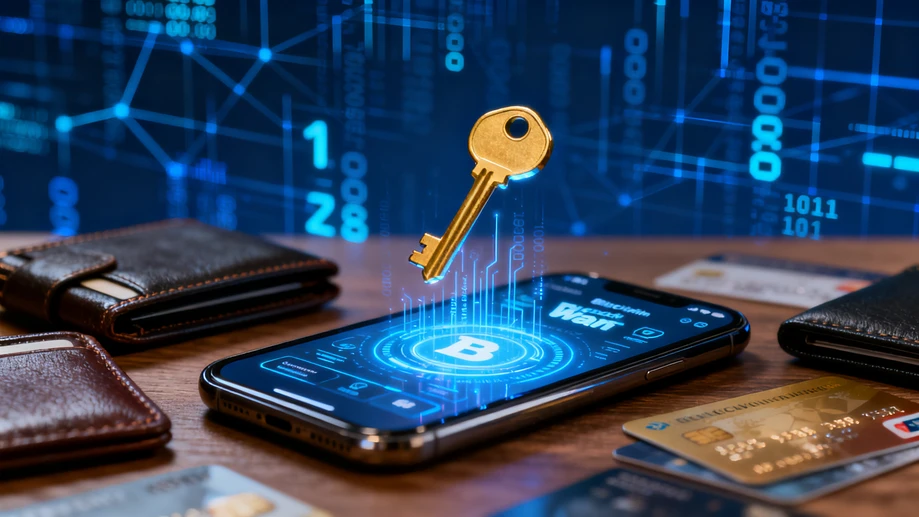
The magic happens through something called a digital wallet. Unlike your leather billfold, this wallet stores cryptographic keys – mathematical proof of ownership etched permanently on blockchain. When you buy an NFT artwork, the blockchain records your unique wallet address as owner. No corporation can revoke access. Want to sell? Transfer it directly peer-to-peer like passing cash. Real-world example: digital artist Beeple sold an NFT collage for $69 million. The buyer didn't get a physical painting but received irrefutable blockchain proof of ownership – verifiable by anyone, anywhere.
But Web3 isn't just about expensive JPEGs. Consider music streaming: today, platforms pay artists fractions of a cent per play. Web3 enables direct fan-to-musician transactions. Imagine buying a song where 100% goes to the singer, with automatic royalty payments coded into the blockchain. Or event tickets: no more counterfeit paper slips. Blockchain-verified tickets can't be duplicated, while smart contracts ensure resale profits go back to organizers. Even your social media posts could become owned assets. Web2 platforms profit from your content; Web3 lets you monetize it directly.
Of course, this ownership revolution comes with responsibilities. Lose your 24-word seed phrase? That's like dropping your house keys into the ocean. No "forgot password" option here. Security becomes paramount. Hardware wallets resembling USB drives offer offline protection. Multi-signature wallets require multiple approvals for transactions – perfect for shared family assets. And decentralized identity systems are emerging, letting you prove your age without revealing your birth certificate. It's digital adulthood: total freedom with total accountability.
Already, practical applications are emerging beyond speculation. Farmers in Kenya use blockchain wallets to receive instant micropayments for crops. Gamers truly own rare sword NFTs earned in virtual worlds. Architects store building plans on decentralized networks immune to server crashes. The shift is subtle but profound: from renting digital space to owning digital property. As internet pioneer Tim Berners-Lee develops his own decentralized data project, one truth becomes clear – the future web won't just connect information. It will empower ownership.