
Is Web3 Truly Rewiring Our Digital Lives?
Discover how decentralized tech is sneaking into your everyday routines without you even noticing.
Picture this: you're scrolling through social media, buying a coffee with a tap, or even trading virtual collectibles—all while an invisible revolution brews beneath your fingertips. Welcome to Web3, the next evolution of the internet that promises to hand power back to users like never before. Unlike the static Web1 of the 1990s or the corporate-dominated Web2 we know today, Web3 is built on blockchain technology, creating a decentralized world where data isn't locked in big tech vaults but owned by you. Sounds futuristic? It's already here, transforming mundane activities into empowering experiences. For instance, when you stream a song, Web3 could let artists earn directly from fans, cutting out middlemen. This shift isn't just tech jargon; it's a quiet upheaval making the online realm more democratic and fun. So, why should you care? Because it's turning the internet from a one-way street into a bustling marketplace where everyone has a stake.
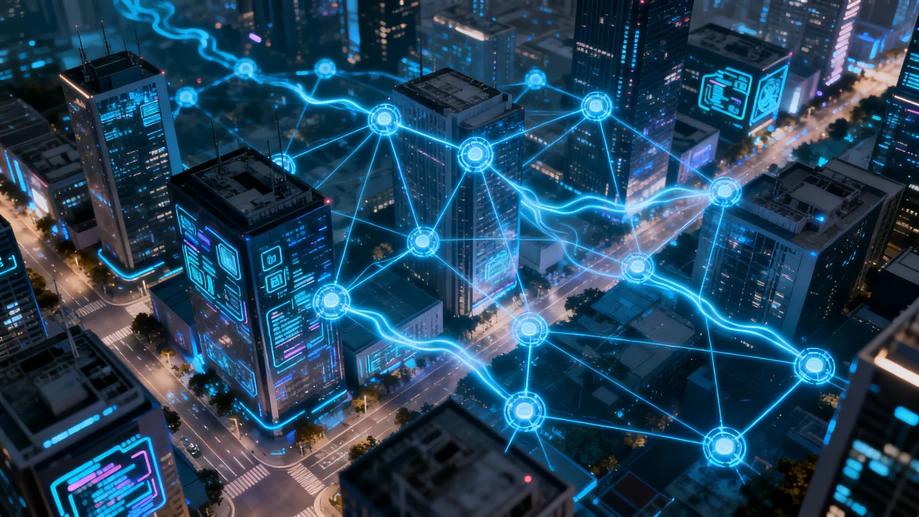
At the heart of Web3 lies decentralization, a concept that might sound complex but boils down to a simple idea: no single entity controls the show. Think of it like a neighborhood potluck instead of a restaurant chain—everyone brings a dish, and the feast is shared equally. Blockchain, the backbone of this tech, acts as a digital ledger that records transactions across thousands of computers worldwide. This ensures transparency and security; if one computer fails, others keep the system running. For example, when you buy concert tickets as NFTs (non-fungible tokens), they're stored on a blockchain, making counterfeits impossible and resales hassle-free. It's not magic—it's math and code working overtime to protect your digital assets. In everyday life, this means fewer scams and more trust. Imagine your online identity being a secure keychain only you hold, rather than a password managed by a distant company. Web3 isn't just about tech geeks; it's weaving into routines, from verifying your credentials for a job application to ensuring your favorite creator gets paid fairly for their viral video.
Now, let's dive into NFTs, which often get dismissed as overpriced digital art but are actually practical tools in disguise. NFTs are unique tokens that prove ownership of anything digital—think of them as certificates of authenticity for the virtual world. Beyond the hype of million-dollar ape images, they're sneaking into daily life in surprising ways. Take event tickets: instead of paper stubs that get lost, NFTs can be scanned from your phone, with smart contracts automatically handling refunds if the show is canceled. Or consider collectibles like trading cards; Web3 lets you buy, sell, and trade them peer-to-peer, cutting out auction fees. Even your social media posts could become NFTs, allowing you to monetize your content directly. It's not sci-fi—it's happening now, with apps like OpenSea making it as easy as online shopping. The fun part? NFTs add a layer of gamification; completing tasks in a virtual world might earn you tokens redeemable for real discounts. This blend of utility and play makes Web3 feel less like a tech upgrade and more like a new way to engage with the digital stuff we love.
Financial freedom gets a major boost with DeFi (decentralized finance), another Web3 gem that's reshaping how we handle money without banks calling the shots. DeFi uses blockchain to create open financial systems where anyone can lend, borrow, or invest directly. Picture this: instead of waiting days for a bank transfer, you send crypto across borders in minutes with minimal fees. Apps like Uniswap let you swap currencies instantly, like trading baseball cards but with real value. For everyday folks, this means earning interest on savings through decentralized apps, or even getting microloans without credit checks. It's not about replacing traditional finance; it's about adding options that are faster, cheaper, and more inclusive. Imagine a farmer in a remote area accessing loans via a smartphone app, or a freelancer getting paid instantly in stablecoins. The risks? Sure, volatility and scams exist, but innovations like insurance protocols are making it safer. DeFi turns finance from a walled garden into a community park, where you control your funds 24/7. This isn't distant fantasy—it's already helping people build wealth in ways that feel personal and empowering.
Of course, Web3 isn't all sunshine; it faces real-world hurdles that need tackling. Energy consumption from blockchain mining has raised environmental concerns, but solutions like proof-of-stake (a greener alternative) are emerging. Security is another challenge—hacks can happen, but education and better tools are reducing risks. For instance, multi-signature wallets require multiple approvals for transactions, adding a layer of safety. And while adoption is growing, it's not universal yet; many find the tech intimidating. But here's the exciting part: everyday applications are bridging the gap. Apps for decentralized voting or supply chain tracking are making Web3 tangible. The future looks bright, with potential for seamless integrations like smart homes that adjust settings based on your NFT preferences. It's a journey, not a destination, and the key is to start small—try a DeFi app or buy an NFT ticket to see how it feels. Web3 isn't rewriting reality; it's enhancing it, one click at a time.
In the end, Web3 is more than a tech trend—it's a cultural shift toward a user-owned internet that's already reshaping how we live, work, and play. From decentralized social networks where you control your data to NFT-based loyalty programs at local stores, it's making the digital world feel more human and less corporate. The journey has bumps, but with innovation accelerating, Web3 could soon be as routine as using a smartphone. So, next time you're online, ask yourself: is this the start of a fairer, more fun web? Dive in, explore, and you might just find that the future is already at your fingertips.