Is Your Digital Wallet Really Yours in the Web3 Era?
Exploring the revolutionary shift from ownership to true digital possession.
Remember buying that favorite album on iTunes only to discover you couldn't resell it? Or spending hundreds on in-game items that vanished when the company shut down servers? For decades, digital ownership has been an illusion – we pay for licenses to use content, but corporations hold ultimate control. Your e-books, music files, and virtual assets exist at the mercy of platform policies and corporate survival. This centralized model treats users as tenants rather than true owners, creating fragile digital ecosystems where purchases can disappear overnight with no recourse.
Enter Web3's blockchain backbone, where ownership isn't permission but cryptographic proof. When you buy a digital asset like an NFT artwork or virtual land parcel, blockchain technology engraves your claim into an unchangeable public ledger. Unlike traditional databases controlled by single entities, this decentralized network is maintained by thousands of computers globally, making records virtually tamper-proof. Your proof of ownership lives not on a company's server but across this distributed infrastructure, accessible through unique digital signatures only you control via private keys. It's like having a deed registered at every courthouse worldwide simultaneously.
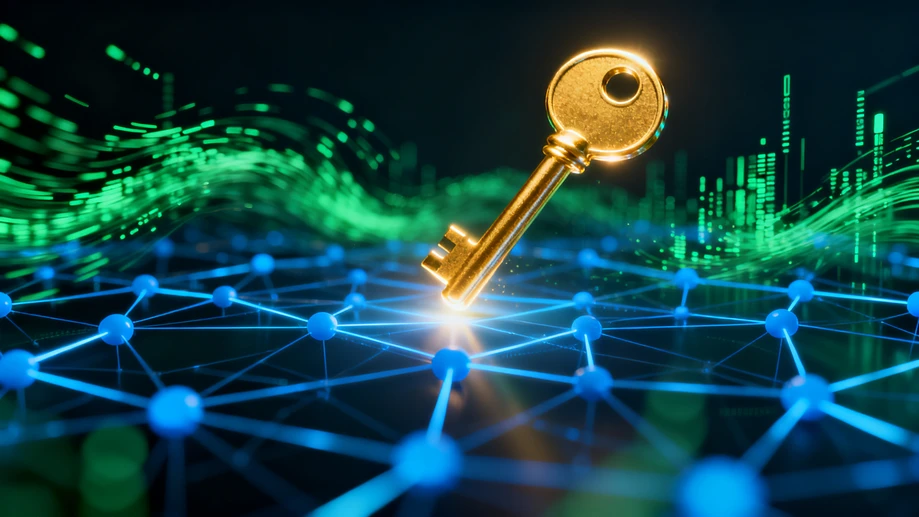
This shift manifests practically through crypto wallets – your personal gateway to Web3. Picture a futuristic keychain holding digital keys instead of metal ones. These self-custody wallets (like MetaMask or Phantom) store your private keys locally on your device, not with a bank. When you purchase a concert ticket NFT, the blockchain verifies and records you as owner. Later, you might resell it peer-to-peer on a decentralized marketplace, with the blockchain automatically transferring ownership upon payment – no ticketmaster fees or transfer restrictions. Similarly, blockchain-based games let players truly own rare swords or skins as NFTs, which retain value even if the game's developers disappear.
Beyond collectibles, Web3 redefines digital identity through decentralized identifiers (DIDs). Imagine replacing scattered login credentials with a unified, user-controlled passport. DIDs let you prove your age to a liquor store website without revealing your birthdate, or share only relevant work history with potential employers – all verified on-chain without exposing raw data. This contrasts sharply with today's model where Facebook or Google act as identity middlemen, harvesting personal information while creating single points of failure. With DIDs, you control what fragments of your digital self to share, like showing a bouncer your ID's "over 21" hologram without handing over your entire wallet.
As Web3 matures, challenges around energy efficiency and user experience remain, but the core promise endures: a digital landscape where users reclaim sovereignty. Early adopters already trade digital real estate in virtual worlds, artists earn royalties automatically via smart contracts, and communities govern shared projects through decentralized autonomous organizations (DAOs). This isn't science fiction but an unfolding reality where blockchain acts as both notary and enforcer. The question shifts from "What can I access?" to "What do I truly possess?" – transforming passive consumers into active digital citizens holding the keys to their virtual kingdoms.