Is Your Digital Life Ready for the Ownership Revolution?
Unlocking the everyday magic of Web3 beyond crypto hype
Imagine scrolling through social media where you actually own your posts, profiles, and interactions instead of renting digital real estate from tech giants. That's the promise whispering through the corridors of Web3 technology. Unlike today's internet controlled by centralized gatekeepers, Web3 builds a user-owned ecosystem using decentralized networks. Your photos, game items, or even loyalty points could become portable assets moving with you across platforms. This isn't science fiction – it's happening now through blockchain protocols quietly upgrading the internet's infrastructure.
At its core, Web3 relies on blockchain's transparent ledger system. When you buy a digital concert ticket as an NFT, the blockchain records your permanent ownership without needing Ticketmaster's database. Smart contracts automate agreements – like instantly paying musicians when their song streams or releasing insurance funds if a flight gets delayed. These self-executing codes live on decentralized networks like Ethereum, meaning no single company can freeze accounts or change rules unexpectedly. Your digital wallet becomes a universal key for accessing services without creating endless logins.
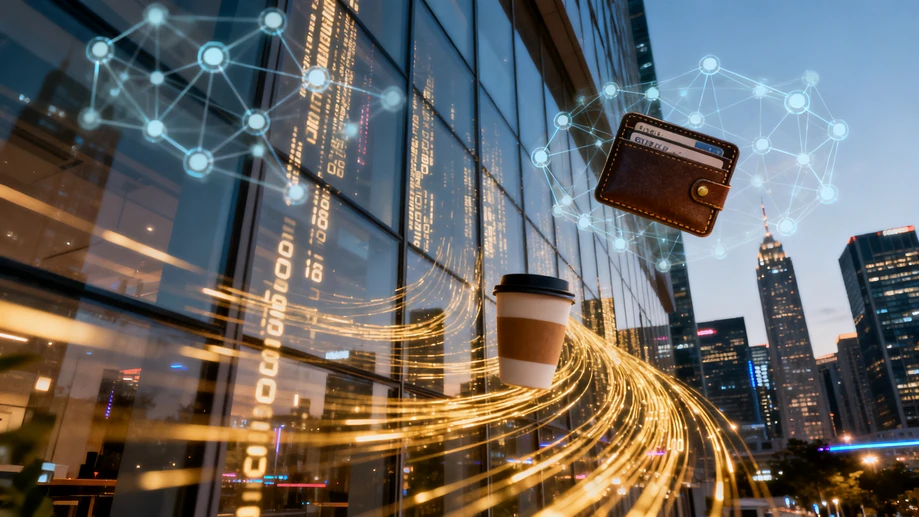
Real-world applications are emerging in surprisingly ordinary places. Fashion brands now release digital clothing NFTs wearable in augmented reality apps, while coffee shops reward regulars with blockchain-based tokens redeemable for free lattes. Artists bypass galleries by selling limited-edition digital art directly to collectors, with smart contracts ensuring they get royalties on every resale. Even your gaming achievements could transform into tradeable assets – that rare sword you earned might fund next month's groceries if sold in a decentralized marketplace.
This shift brings tangible benefits: true digital ownership prevents platforms from deleting your content or disabling accounts arbitrarily. Data breaches become harder as information isn't stored in hackable central servers. Users gain voting power in platform governance through token-based systems – imagine democratically deciding Instagram's next feature update. Yet challenges remain, including complex user experiences and environmental concerns around energy-intensive blockchain operations that newer technologies like proof-of-stake aim to solve sustainably.
Web3's evolution will likely blend seamlessly with daily life rather than announce itself with fanfare. Picture automatically earning loyalty tokens when shopping that work across all partnered stores, or social media where your engagement directly supports creators. As decentralized storage systems mature, your family photos could reside securely on distributed networks instead of corporate clouds. The revolution isn't about replacing the internet but upgrading it to reflect our fundamental desire for control over digital existence.
This technology invites us to reimagine online interactions as collaborative rather than extractive. While still maturing, Web3's foundation offers tools to build a more equitable digital economy where users aren't just products but stakeholders. The quiet transformation has begun – not with a bang, but with blockchain whispers promising a future where our digital footprints finally belong to us.