Is Your Digital Wallet Really Yours in the Web2 World?
Unpacking how blockchain shifts control from corporations to your fingertips
Imagine clicking "purchase" on concert tickets only to see "payment declined" because your bank flagged it as suspicious activity. This familiar frustration stems from Web2's core flaw: intermediaries control your assets. Banks freeze accounts, platforms revoke access, and tech giants monetize your data while you get locked out. The digital belongings you thought were yours actually live on someone else's servers, governed by terms you never read. This centralized system creates invisible barriers where convenience comes at the cost of true ownership.
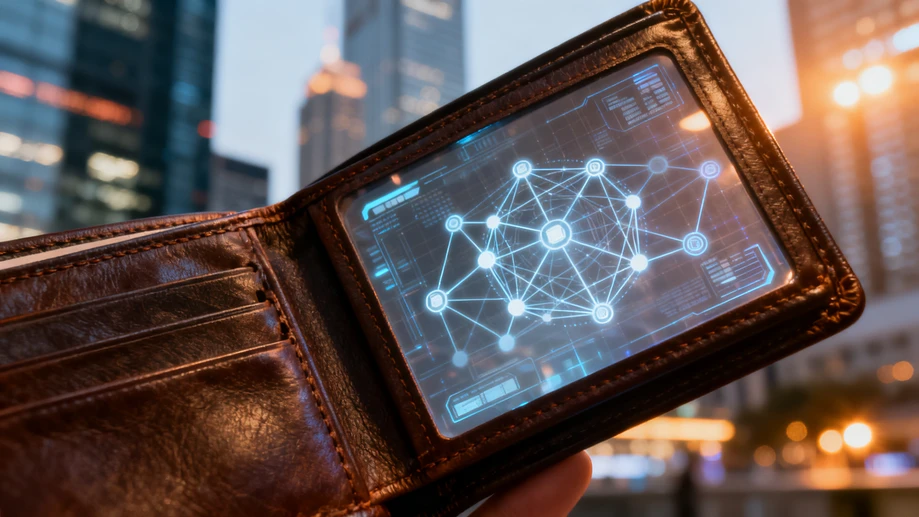
Enter Web3’s foundational weapon: blockchain technology. Unlike traditional databases owned by single entities, blockchains distribute identical transaction records across thousands of computers globally. When you buy a cryptocurrency like Bitcoin, the transaction gets encrypted into a "block" chained to previous records. This decentralized ledger updates simultaneously on all participating devices, making alterations practically impossible without consensus. Your crypto wallet’s private key – a complex digital password – becomes the sole proof of ownership, eliminating the need for banks or payment processors. This architecture shifts power dynamics fundamentally, turning digital assets from licensed privileges into property you control.
Non-fungible tokens (NFTs) showcase this revolution in tangible ways. Consider digital art: purchasing an NFT artwork on Ethereum blockchain isn't just buying pixels; it’s acquiring a unique, verifiable certificate of ownership stamped on-chain. Unlike streaming platforms that can remove your purchased movie, NFTs live in your wallet forever. Platforms like OpenSea serve as galleries, not gatekeepers – they facilitate sales but can’t confiscate your NFT. Even virtual real estate in metaverses like Decentraland operates this way. When users buy "LAND" parcels, the transaction permanently records their ownership on Ethereum, allowing them to build experiences or rent spaces without corporate oversight. This shift mirrors owning physical property versus renting an apartment where the landlord sets rules.
Smart contracts automate ownership transitions transparently. Picture selling concert tickets peer-to-peer: Instead of paying fees to ticketing giants, Web3 allows creating self-executing agreements where payment automatically releases NFT tickets to the buyer. No middlemen delay transactions or take 30% cuts. These programmable contracts run on networks like Solana or Polygon, triggering actions only when predetermined conditions meet – like funds arriving in your wallet. DeFi platforms leverage this for loans, where collateral gets locked in smart contracts until repayment occurs. The technology removes human intermediaries, reducing fraud while ensuring both parties uphold agreements encoded in unchangeable blockchain logic.
This isn’t science fiction but an evolving reality transforming everyday interactions. DAOs let communities collectively govern treasuries without CEOs. Creator tokens enable fans to invest directly in artists. Even physical products like luxury watches now link to NFTs proving authenticity. Web3 wrestles control from opaque corporations, placing digital sovereignty in your hands – if you possess the keys. While challenges like energy consumption and user experience persist, the trajectory is clear: The future of ownership is decentralized, transparent, and irrevocably yours.