Guess Who Actually Owns Your Digital Stuff Now?
Web3 quietly hands the keys back to users in the most unexpected digital revolution
Picture this: You buy a rare digital artwork for your virtual living room. Under current rules, the platform could vanish tomorrow – taking your prize with it. Now reimagine truly owning that piece, able to sell or display anywhere online without asking permission. That's the seismic shift Web3 delivers. Unlike the corporate-controlled internet we endure today, Web3 rebuilds digital spaces with blockchain architecture. Every interaction becomes verifiable and user-owned. No middlemen gatekeeping your data or assets. Suddenly, digital ownership feels as tangible as holding car keys.
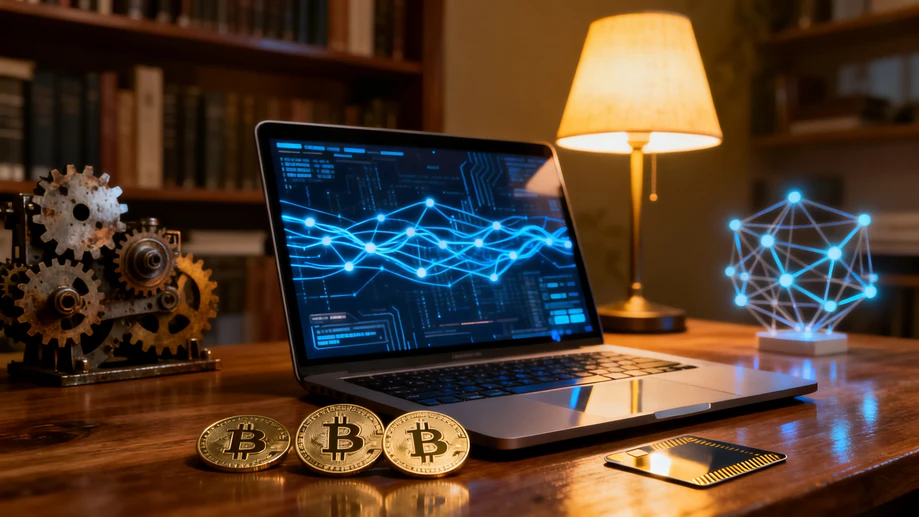
Blockchain acts as the unshakable foundation making this possible. Imagine a global spreadsheet duplicated across thousands of computers. When you buy a digital collectible or transfer cryptocurrency, every node simultaneously records the transaction in encrypted blocks. This creates an immutable history no corporation can alter. Unlike your bank balance that exists as a database entry controlled by executives, crypto wallets place assets directly in your custody. Lose your password? Those funds remain cryptographically locked – a double-edged sword granting real ownership while demanding new responsibility.
NFTs transform how we value digital creations beyond viral speculation. A musician issues limited edition song NFTs granting lifetime concert access. A photographer sells high-resolution prints with blockchain-verified authenticity. Your in-game sword becomes a tradable asset across multiple virtual worlds. This isn't sci-fi; platforms like OpenSea already host millions trading everything from virtual real estate to concert tickets. The magic lies in programmable contracts: Artists automatically receive royalties on resales, creators maintain control, and collectors enjoy true scarcity. Digital items finally behave like physical possessions.
Decentralized apps strip away tech giant intermediaries. Consider social media: Instead of algorithms harvesting your posts for advertisers, imagine networks where users vote on policy changes and earn tokens for engagement. Messaging apps encrypt conversations end-to-end without corporate servers storing copies. Cloud storage spreads files across volunteer computers instead of centralized data centers vulnerable to outages. While early dApps feel clunky, projects like Uniswap already process billions in trades without traditional brokers. The friction signals growing pains, not failure.
Web3 reshapes daily internet interactions in tangible ways. Journalists monetize articles through micro-payments instead of intrusive ads. Gamers earn real value from virtual achievements. Community DAOs collectively fund neighborhood projects using transparent treasuries. Even skeptics engage unknowingly – using blockchain-secured logistics when tracking packages or verifying luxury goods. The revolution isn't about replacing Google overnight; it's inserting ownership layers beneath existing digital experiences. Your online life gradually becomes less rented and more owned.