Is Your Digital Wallet Really Yours in Web3?
Unlocking the Mysteries of True Digital Ownership
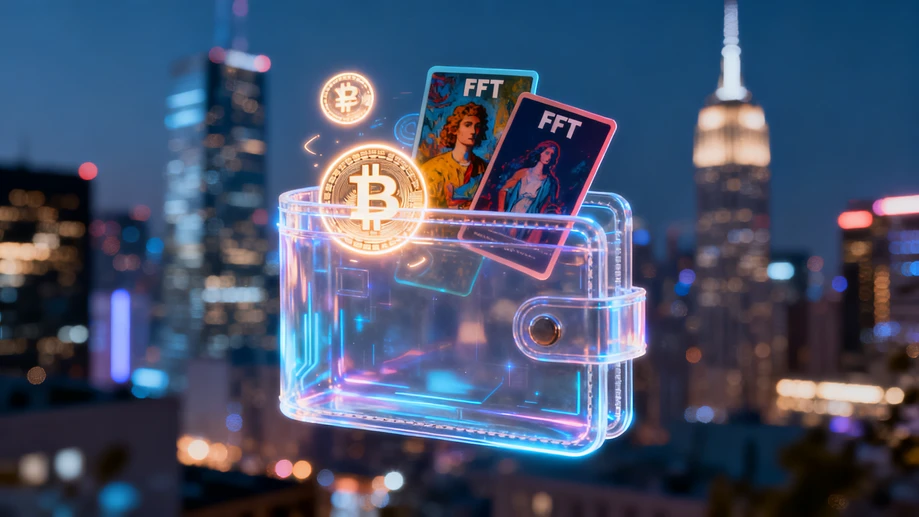
Picture this: you buy a rare digital artwork as an NFT. It lives in your crypto wallet, yet somehow feels less tangible than the physical painting hanging on your wall. This paradox lies at the heart of Web3's revolutionary promise – a promise of true ownership in the digital realm. Unlike Web2 platforms where your data and assets are stored on corporate servers, Web3 hands you the keys through blockchain technology. Your digital wallet becomes a personal vault secured by cryptography, not corporate permission. But what does "ownership" really mean when your prized NFT could vanish with a forgotten password?
That shiny crypto wallet isn't actually storing your digital treasures like a physical wallet holds cash. Instead, it safeguards cryptographic keys – unique digital signatures proving your control over assets recorded on public blockchains. Lose those keys through phishing scams or forgotten passwords, and your assets become permanently inaccessible digital ghosts. This harsh reality has created a graveyard of NFTs and cryptocurrencies worth billions. Yet this vulnerability also reveals Web3's core strength: no central authority can freeze or confiscate your assets without those keys.
Decentralized identity systems are emerging as Web3's answer to this ownership dilemma. Imagine logging into websites without usernames or passwords, using a cryptographic key tied directly to your digital wallet. Services like Ethereum Name Service transform complex wallet addresses into human-readable names (yourname.eth), creating portable digital identities. Your online presence becomes a self-sovereign passport, carrying verifiable credentials for everything from concert tickets to professional certifications – all controlled by you, not platforms.
The true magic happens when digital ownership extends beyond collectibles. Web3 enables fractional ownership of real-world assets through tokenization. A high-value painting can be divided into 10,000 digital shares, allowing micro-investments from global participants. Property deeds recorded as NFTs eliminate paper trails and reduce fraud. Even your car's maintenance history could live as tamper-proof blockchain records, increasing resale value. These aren't sci-fi concepts; platforms like RealT already tokenize real estate, while DeFi protocols handle billions in tokenized assets daily.
As Web3 evolves, digital ownership will redefine everyday experiences. Your gaming achievements could become transferable assets across multiple games. Loyalty points from coffee shops might convert to cryptocurrency. Musicians can program royalties directly into song NFTs, ensuring automatic payments with every stream. The boundaries between physical and digital ownership will blur – your digital sneaker NFT might unlock exclusive physical merchandise, or your car's NFT title could automatically handle resale paperwork. This isn't just about technology; it's about rewriting the rules of value exchange in our increasingly digital lives.