Is Your Digital Life Really Yours? The Web3 Revolution Says Otherwise
Unlocking true ownership in the digital age through blockchain magic
Imagine buying concert tickets online, only to discover the platform can revoke them anytime. Or spending years building a social media following that vanishes when algorithms change. This digital powerlessness defines Web2 – where tech giants control our data, identities, and assets. But a quiet revolution is brewing. Web3 promises to flip this model by returning control through blockchain technology. Unlike today's internet, Web3 isn't owned by corporations; it's built collectively by users. At its core lies a radical idea: you should truly own your digital existence – from virtual property to personal data – just like physical possessions. This seismic shift transforms how we interact online, turning passive users into active stakeholders.
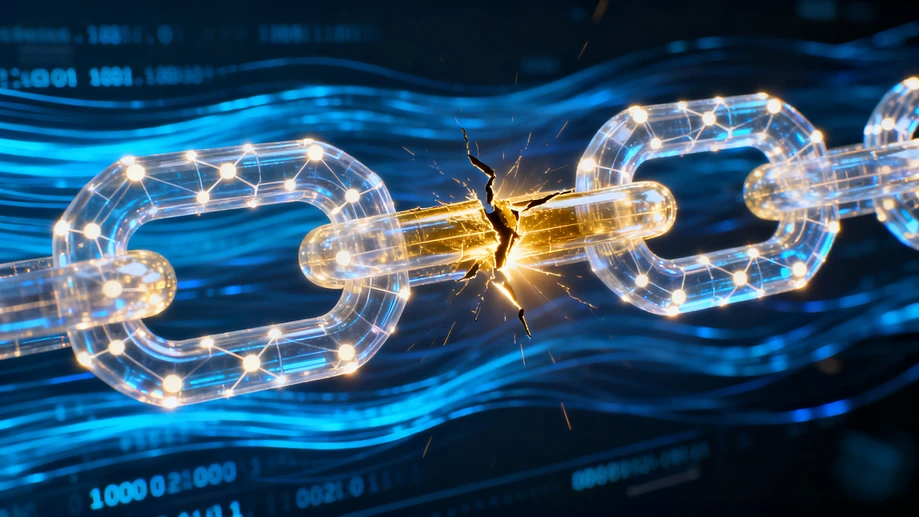
The magic happens through blockchain's transparent ledger system. When you purchase a digital artwork as an NFT (Non-Fungible Token), the blockchain records your ownership permanently. No company can confiscate it. Smart contracts – self-executing code on blockchains – automate transactions without intermediaries. Consider renting your spare hard drive space through decentralized storage networks like Filecoin, earning cryptocurrency while helping store web data. Or tipping your favorite creator directly with crypto, bypassing platform fees. These aren't sci-fi concepts; they're live applications reshaping how we handle digital assets daily.
Web3's impact extends beyond finance into everyday experiences. Decentralized social media platforms like Lens Protocol let users own their content and follower relationships. Switch platforms without losing your community! Gaming worlds like The Sandbox allow players to truly own in-game assets as NFTs. That rare sword you earned? Sell it freely in player marketplaces. Even loyalty programs are transforming; Starbucks' Odyssey rewards are NFTs that unlock experiences and retain value. This ownership layer creates tangible digital economies where participation yields real benefits, not just corporate profits.
Adoption challenges remain, of course. Crypto wallets feel clunky compared to one-click logins. Energy concerns around early blockchains prompted eco-friendly solutions like Ethereum's "merge" to proof-of-stake, slashing energy use by 99.95%. Scalability hurdles are being tackled through "layer 2" networks that process transactions faster and cheaper. User-friendly wallets now offer simplified recovery options, easing entry for non-techies. As tools improve, Web3's friction decreases – much like early internet dial-up evolved into seamless browsing.
The transformation is already underway. Major brands like Nike and Adidas sell NFT collectibles. Artists release music as NFTs with built-in royalty mechanisms. Communities govern shared resources through DAOs (Decentralized Autonomous Organizations), voting on proposals using governance tokens. This isn't about replacing the internet but upgrading its foundation – creating a user-owned ecosystem where value flows directly between participants. As this architecture matures, our digital lives will finally reflect a fundamental truth: what's yours online should stay yours, forever.