Is Your Digital Wallet Really Yours in the Web2 World?
Exploring the revolutionary shift from ownership to true digital possession in Web3
Imagine buying concert tickets online only to discover you can't resell them, or spending hundreds on in-game items that vanish when the developer shuts down the server. This frustrating reality defines Web2 – a world where we "own" digital assets through platforms that actually control them. Our photos, music libraries, and virtual purchases exist at the mercy of corporate policies and centralized databases. When Instagram changes its algorithm or a game studio abandons a title, users helplessly watch their digital investments evaporate. The illusion of ownership crumbles each time accounts get suspended without recourse, revealing we're merely renting digital space in someone else's kingdom.
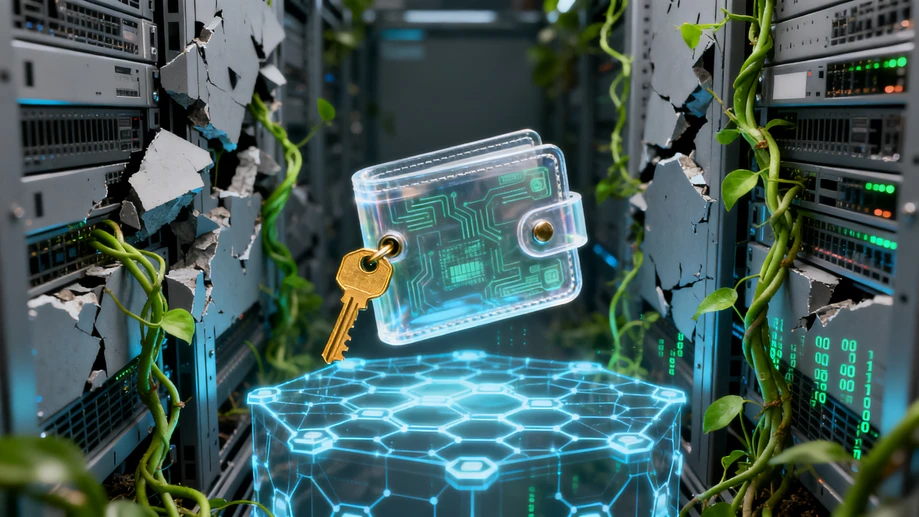
Enter Web3 – the internet's ownership revolution. Built on blockchain technology, it replaces rented digital shelves with actual possession. Think of it like upgrading from a rented locker to a bank vault where only you hold the key. At its core are crypto wallets secured by private keys that function like unforgeable digital signatures. When you purchase a concert ticket as an NFT (non-fungible token), it lives in your wallet, not the ticketing company's server. This means you can resell it freely, gift it securely, or preserve it indefinitely – actions impossible in Web2's walled gardens. The blockchain acts as a public ledger, permanently recording your ownership without requiring corporate intermediaries.
This shift transforms everyday digital interactions. Gamers truly own their virtual swords and skins as NFTs, allowing items to travel across different games or marketplaces. Artists sell digital artwork directly to collectors who retain provable ownership, creating new revenue streams. Even your social media presence could become portable: imagine taking your followers and content to a new platform instantly. Web3 wallets like MetaMask function as universal access keys, replacing countless passwords with a single secure gateway to decentralized applications. Suddenly, digital assets behave like physical possessions – transferable, durable, and controlled exclusively by you.
Beyond individual empowerment, Web3 rewrites economic rules. "Play-to-earn" games demonstrate this paradigm shift, where players earn cryptocurrency with real-world value through gameplay. Decentralized autonomous organizations (DAOs) enable communities to collectively own and govern digital resources, from investment funds to virtual real estate. The metaverse evolves from corporate-controlled virtual spaces to user-owned ecosystems where participants build value through contributions. Crucially, this isn't science fiction – existing platforms already let users earn income through content creation, virtual land development, and digital asset trading.
Challenges remain, of course. User-friendly interfaces are still evolving, energy-efficient blockchains are gaining traction, and regulatory frameworks continue developing. Yet the core promise endures: Web3 returns control to users. As this technology integrates into everyday apps – from music streaming services with artist-owned royalties to decentralized social networks resisting censorship – our relationship with the digital world fundamentally changes. The question shifts from "What can I access?" to "What do I truly own?" The answer might just reshape the internet as profoundly as the smartphone revolution.